


September 21–25 is National Falls Prevention Awareness Week, an opportunity to focus attention on a significant risk to older adults’ safety and independence. For the care-at-home community, fall prevention is one of the most vital components of maintaining patient safety, autonomy, and quality of life. A single fall can trigger a cascade of complications, leading to ER utilization, sudden functional decline, increased care needs, and psychological distress.
Because falls are rarely caused by a single isolated factor, effective prevention requires a holistic, multi-layered strategy across the entire home care continuum. By systematically evaluating medication regimens, home environments, assistive technology, mobility aids, and daily personal safety habits, care teams can significantly mitigate risk for vulnerable populations.
1. Proactive Medication Review and Management
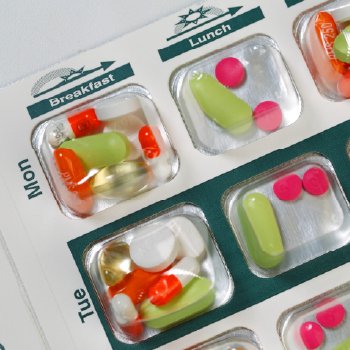 Polypharmacy is one of the most common, yet manageable, risk factors for falls in older adults and medically fragile patients. As health conditions change, regimens often accumulate medications that impair balance, coordination, or alertness.
- Target High-Risk Drug Classes: Systematically review regimens for central nervous system (CNS) depressants, psychotropics, sedatives, hypnotics, and anticholinergics. These therapies frequently cause cognitive fog, slowed reaction times, and motor instability.
- Manage Orthostatic Hypotension: Antihypertensives, diuretics, and vasodilators can cause sudden drops in blood pressure when shifting from a lying or sitting position to standing. Regularly assess standing blood pressure and consult the prescribing clinician when postural dizziness or other concerns are identified.
- Deprescribing and Rationalization: Conduct regular Drug Utilization Reviews (DURs) to identify redundant, high-risk, or non-essential medications. Phasing out therapies that no longer align with current goals of care reduces side-effect burdens.
- Adherence and Packaging: When appropriate, utilize compliance packaging (such as pouch or blister packs) to eliminate dosing confusion, double-dosing, or missed doses.
2. Modifications in the Home
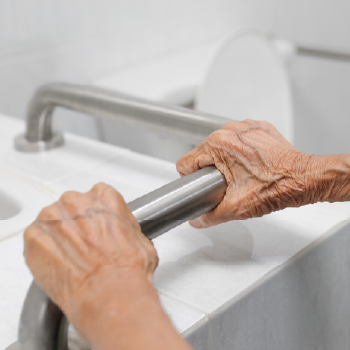 An older adult’s living space often contains subtle hazards that can become dangerous as mobility declines.
Home environmental assessments should be conducted upon admission and reassessed periodically as physical capacity changes.
- Pathways and Flooring: Clear walking paths of clutter, extension cords, and low-profile furniture. Secure or remove throw rugs or use heavy-duty double-sided non-slip tape underneath.
- Illumination and Visibility: Ensure all corridors, stairwells, and pathways are well-lit. Install motion-activated nightlights to aid in safe nighttime navigation throughout the home.
- Bathroom Safety Interventions: The bathroom presents the highest risk for slip-and-fall incidents. Best practices include installing professional-grade grab bars securely anchored into wall studs next to the toilet and inside the shower, utilizing non-slip rubber mats inside tubs, and deploying raised toilet seats with arm supports based on the individual’s needs and home environment.
- Stairways and Thresholds: Ensure handrails run continuously along both sides of staircases and that threshold transitions between different flooring types are flush or clearly marked.
3. Personal Emergency Response Systems (PERS) & Monitoring
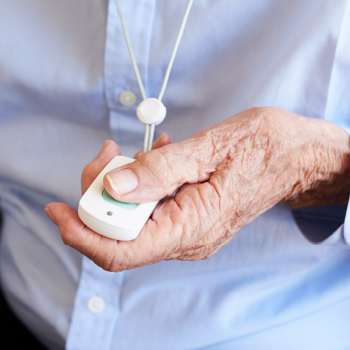 While fall prevention is the primary goal, immediate response following a fall is essential to avoid secondary complications from prolonged lie times, such as dehydration, blood clots, and rhabdomyolysis.
- Wearable PERS Devices: Recommend lightweight, waterproof fall-detection pendants or wristbands that automatically alert emergency services or care teams even if the individual cannot press the call button.
- Strategic Placement: Ensure base unit or cellular signal range extends to high-risk zones, including showers and bedrooms. Remind care partners that devices must be worn consistently—especially during high-risk times like late-night bathroom trips.
- Smart Home Sensors: Explore non-intrusive ambient bed/chair alarms or motion sensors for individuals with cognitive impairments or severe dementia to alert caregivers the moment unassisted movement is detected.
4. Appropriate Mobility Aids and Proper Equipment Sizing
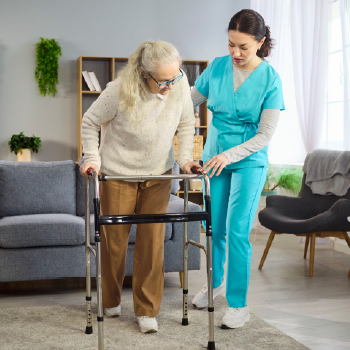 Assistive devices offer crucial stability but improperly fitted or poorly maintained equipment can actually increase fall risk.
- Proper Fit and Sizing: Ensure rollators, walkers, and canes are adjusted to the proper height (with handles lining up with the patient’s wrist crease when standing relaxed).
- Regular Equipment Audits: Routinely inspect rubber tips on canes and crutches for wear, check rollator brake mechanisms for responsiveness, and ensure wheelchair wheels lock securely during transfers.
- Transfer Support: For patients with significant mobility loss, deploy transfer benches, patient lifts, or bed transfer handles to support safer caregiver assistance and reduce transfer-related falls.
5. Safe Footwear and Personal Habits
 Physical devices and environmental fixes must be paired with daily behavioral adjustments.
- Proper Footwear Standards: Advise patients and caregivers against walking in socks, smooth-soled slippers, or floppy backless shoes. Footwear should have non-skid rubber soles, firm heel support, and adjustable hook and loop fasteners.
- Gentle Transitions: Educate patients to pause and sit on the edge of the bed or chair for 30–60 seconds before standing to allow blood pressure to equalize.
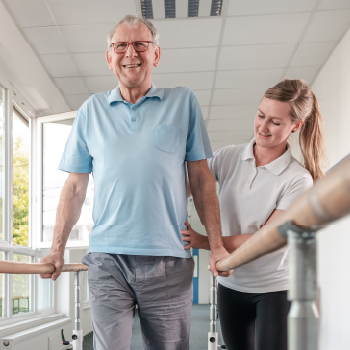
- Physical Therapy and Balance Care: When appropriate, involve physical and occupational therapists to design gentle, tailored strength, balance, and gait training routines that preserve functional mobility.
Effective fall prevention requires coordination across medication management, the home environment, appropriate equipment, and patient and caregiver education. By addressing these foundational clinical and environmental pillars, care-at-home providers can create a safer living environment that protects dignity and peace of mind.