


For leaders in hospice, PACE, and Hospital at Home, a primary goal is balancing safety with independence. Personal emergency response systems (PERS) can be a lifeline for adults with frailty or mobility challenges, allowing them to live safely in their communities. However, traditional PERS systems can also create headaches, including administrative burden, fragmentation and unnecessary ER utilization.
High-performing agencies treat PERS as a clinical strategy, not just a device. Dragonfly Health supports this by unifying these services into a single, data-driven model. This transforms reactive tools into proactive safeguards that reduce caregiver anxiety and keep patients safe at home.
Navigating the PERS Landscape: At-Home vs. Mobile Solutions
Selecting the right technology is the first step in ensuring patient adherence and safety. Dragonfly Health offers access to two primary styles:
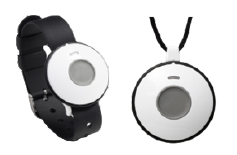 In-Home Systems are the classic choice for patients who are primarily homebound. These devices utilize a lanyard or wrist-worn button paired with a base station. With a range often extending at least 600 feet—about two football fields—these systems provide comprehensive coverage for the home and immediate outdoor areas. Their primary advantage is that there is no need to charge the device. The base station plugs into any standard outlet (with automatic battery backup for power outages) while the batteries on the transmitters last for three years.
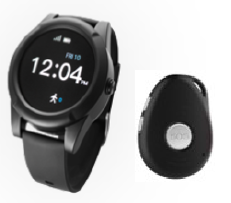 Cellular Mobile Devices are suited to the needs of more active participants, such as those in a PACE program or early-stage hospice care. These GPS-enabled devices function anywhere with a cellular signal and provide location of the wearer—particularly valuable for dementia patients who may wander. While these require daily charging, they offer a level of independence and tracking that traditional systems cannot match.
Both types of PERS are available as either lanyards or devices worn like a watch. Dragonfly Health typically suggests lanyards because they include automatic fall detection. This technology ensures that even if a patient is unable to press a button, the monitoring center is alerted immediately. However, if using the mobile option, smart watch devices may be preferred due to extra features, including basic biometrics.
Clinical Triage: A Shield Against Inappropriate ER Utilization
The most significant value of a PERS solution lies in what happens after a button is pressed. Dragonfly Health partners exclusively with a supplier that owns and operates its own monitoring centers, ensuring superior quality control.
This infrastructure allows for sophisticated clinical triage. Rather than a default dispatch of emergency services, calls are triaged in alignment with the agency’s specific clinical protocols. For a hospice patient, this might mean contacting the on-call nurse to manage symptoms at home, rather than resulting in an unwanted and traumatic trip to the ER. This aligns with a participant’s goals of care and supports agencywide quality indicators. Additionally, care teams can easily track all system activations by users, allowing for faster follow-up and interventions to prevent additional incidents.
Breaking Language Barriers: The Industry’s First Spanish-Default Solution
Access to care should not be limited by language. While translation services are available for most languages, Dragonfly Health also offers the first PERS solution that features end-to-end capabilities in Spanish:
- Built-in Audio Prompts: The device itself provides Spanish-language instructions for alerts, fall detection, and battery status.
- Comprehensive Support: From installation and technical support to the emergency operators themselves, the entire journey is available in Spanish.
For agencies serving diverse populations, this inclusivity increases patient confidence, reduces “false alarm” anxiety, and ensures that the technology is actually used when it is needed most. Technology only improves outcomes if patients trust and use it.
 The Power of Integration: PERS as Part of a Care-at-Home Strategy
What distinguishes Dragonfly Health as a care-at-home partner is the ability to synthesize data from multiple streams. By combining DME and pharmacy utilization data with real-time PERS incident reporting, Dragonfly Health provides unmatched predictive capabilities.
When PERS data—such as a series of “near-fall” alerts or increased sedentary time—is layered over other in-home equipment, medications and diagnoses, it creates a powerful diagnostic tool. This integrated data set allows agencies to:
- Identify High-Risk Transitions: See how changes in medication (pharmacy) or the introduction of new mobility aids (DME) correlate with PERS activations.
- Drive Predictive Analytics: Use combined data to intervene before a crisis occurs, identifying subtle shifts in patient behavior that signal a decline in stability.
A Partnership for the Future of Home-Based Care
Dragonfly Health provides more than equipment; it provides a single point of clinical leadership and data integration. By streamlining the management of PERS, Dragonfly Health allows agency leaders to focus on what matters most: patient care. To learn more or schedule a demo, please contact us.